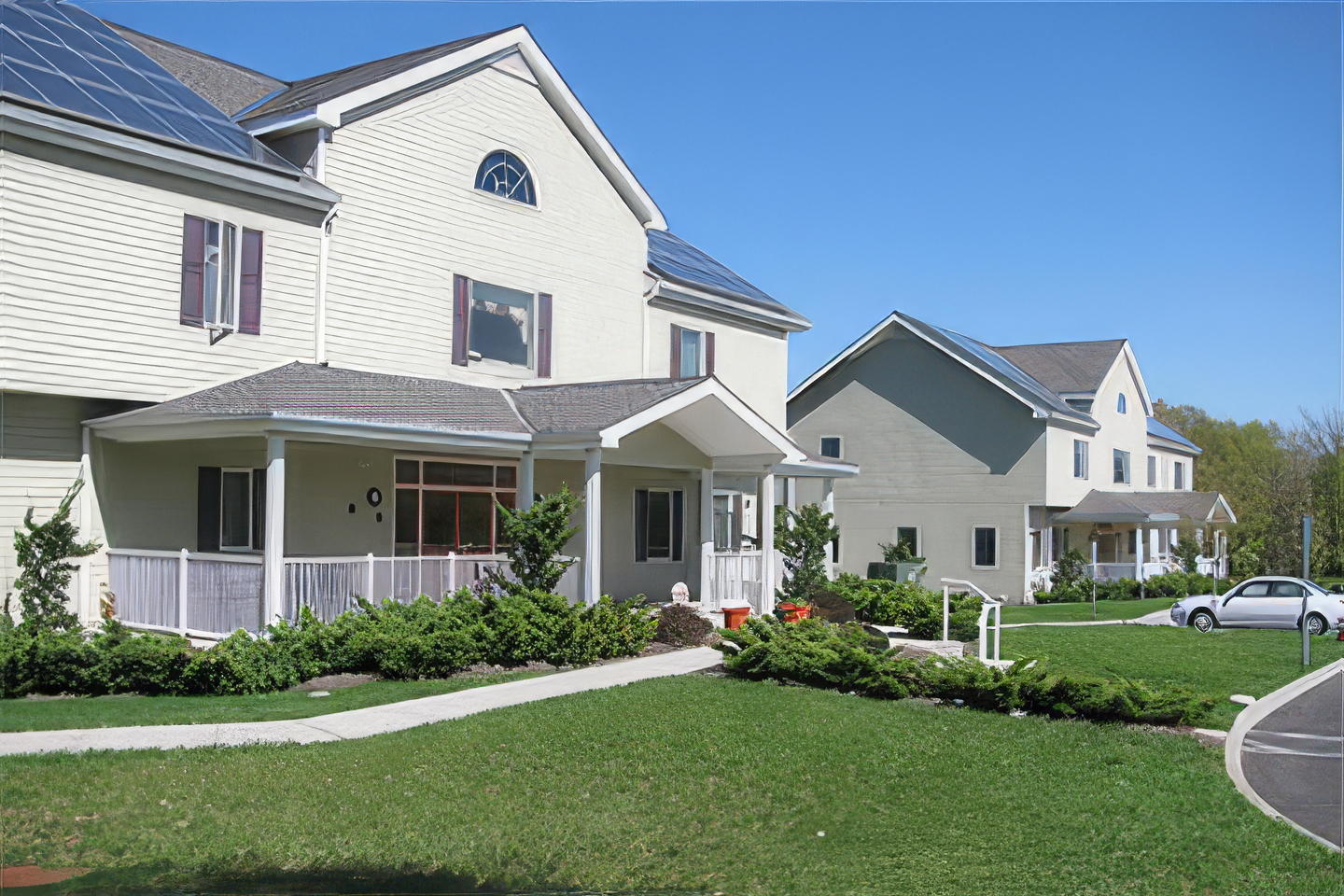
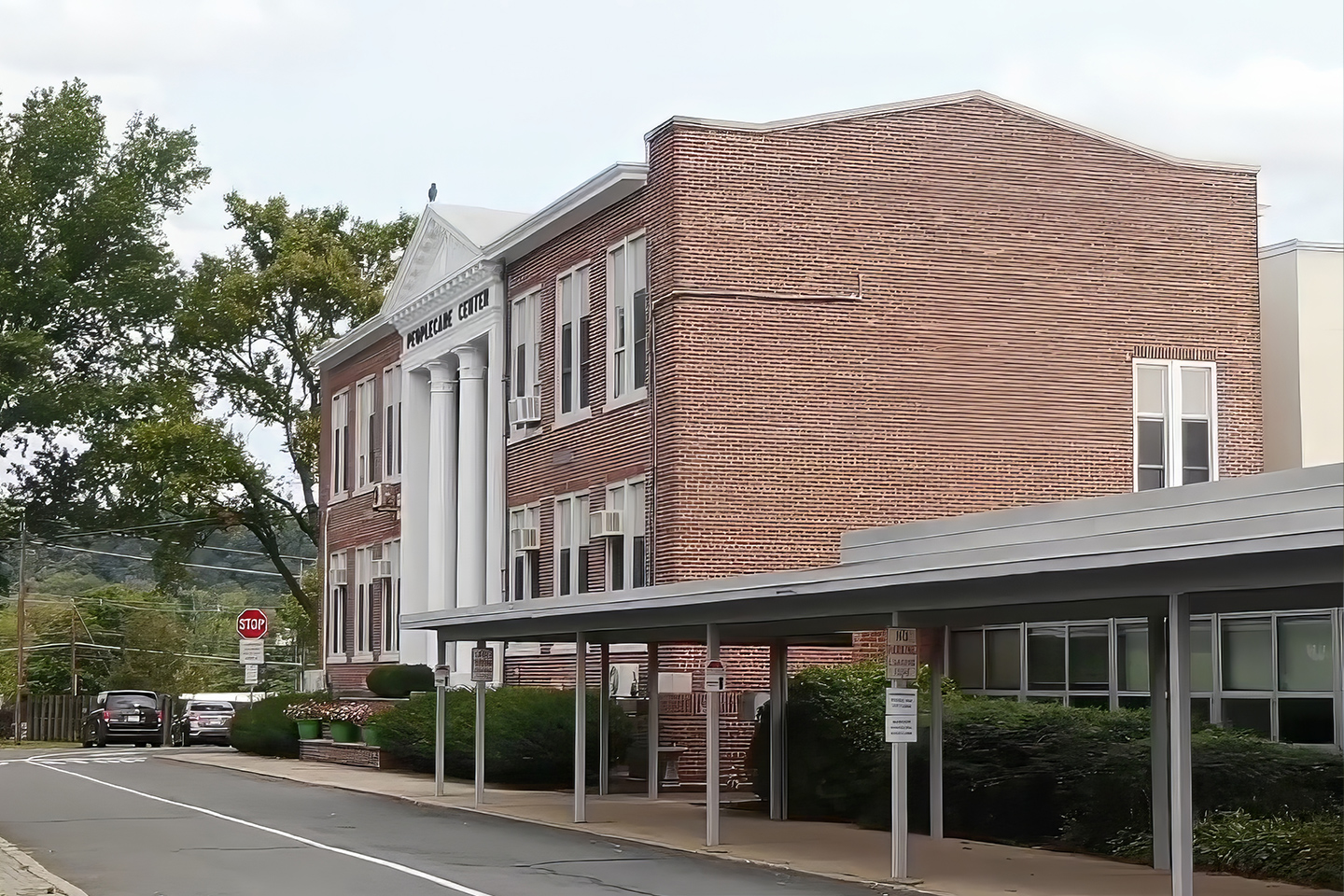
Founded in 1998 in Somerville, New Jersey, The Center for Great Expectations has grown from a modest two-bedroom house to a full continuum of care and a leading provider of training, consultation, and model development with expertise in substance use treatment for pregnant and parenting persons with complex trauma and substance use disorders. By 2008, recognizing the need for expanded services, CGE successfully fundraised $4.2 million to establish two specialized residential facilities in Somerset for adults and their children requiring long-term mental health and substance use treatments, and for adolescents with mental health issues who are pregnant or parenting—the latter being the state’s sole residential program of its kind. CGE’s growth from 2008 to 2018 was marked by significant expansions in service offerings and capacity, evolving to meet the diverse needs of the women, and children we serve annually. This expansion included the inauguration of Katy’s Place (a Child Development Center), a Permanent Supportive Housing program offering 28 units for at-risk families, and START, a program offering free telehealth and home visitation and doula support services for those in recovery. Throughout its evolution, CGE has maintained its foundational commitment to breaking the cycle of abuse, homelessness, and substance use by providing comprehensive, dignified care to the economically marginalized, homeless, and those dealing with mental health or substance use disorders, pregnant or parenting. Slide to explore our landmark years Within the modest walls of this home, an environment filled with love, support, and compassion was cultivated—a stark contrast to what many of these women had previously known. Recognizing the limitations of our initial setting, we were inspired to develop a more expansive and holistic treatment program. This evolution was driven by our belief in the profound potential of our residents, transcending the constraints of our small house to offer a beacon of hope and renewal. Our fundraising initiatives facilitated the establishment of two distinct facilities: one dedicated to supporting adult women and their children through substance use disorder treatment, and another offering specialized residential services for adolescents dealing with mental health challenges, who are either pregnant or parenting. We distinguish ourselves on a national level by prioritizing the togetherness of mothers and their children during the recovery journey, a vital service that aligns us with an exclusive 2% of programs nationwide. This commitment underscores our belief in the critical role of early relational health between mother and child as a cornerstone of the healing process. CGE is deeply committed to safety, combating homelessness, and improving living conditions. We launched Katy’s Place for secure childcare during maternal recovery and initiated a Permanent Supportive Housing program for stable living. The START program delivers in-home counseling and telehealth to pregnant and postpartum women, ensuring they receive the comprehensive care they need in the safest environment possible. Through these efforts, CGE aims to provide a solid foundation of support and stability for our community’s most vulnerable individuals. Today CGE offers a sanctuary, supportive presence, and a secure journey to women and children from across New Jersey. Throughout our ongoing evolution, our unwavering dedication to delivering trauma-informed care aims to disrupt the generational cycle of trauma, substance use disorder, and homelessness. The Relational Recovery Model is The Center for Great Expectations’ own proprietary treatment model, developed to address the gap in clinical care for mothers and their children impacted by complex trauma and seeking treatment for substance use and co-occurring mental health disorders. The Relational Recovery Model fills an important gap in the service array, integrating the latest theories in both SUD treatment and early childhood trauma to create an innovative intervention. The Relational Recovery Model is designed to treat the complex trauma that often underlies substance use and its intergenerational transmission. It approaches SUD and parenting impairments as regulatory challenges that, when treated together, enhance healing across domains. Consistent with trauma theory, the Relational Recovery Model uniquely centers relationships as essential to recovery from complex trauma. The major foci of the intervention are changing patterns of relating to oneself and others, making connections between what happened in the past and the present, and gaining new strategies to regulate challenging states, experiences, and environments. The Relational Recovery Model is designed around six R’s: Recognize, Reflect, Regulate, Rituals & Routines, Renewing Relationships, and Recreation (Play). Throughout the model, clients learn how to apply each R to the process of recovery and to enhance parent-child relationships. The Relational Recovery Model is constructed as two separate tracks: a recovery track and a parenting track. The tracks may be pursued simultaneously or singly, making it applicable to a variety of audiences: (1) SUD treatment programs, (2) integrated SUD and parenting treatment programs, and (3) parenting programs. The Relational Recovery Model includes a group curriculum, recreational activities, emotion regulation practices, and, most importantly, an intentional way of relating between staff and clients to support regulation, reflective capacity, the process of rupture and repair, and recreation- or play. The Relational Recovery Model is an evidence-informed treatment model that is currently working toward evidence-based status through ongoing data collection and evaluation. The model’s developers are available to provide training and consultation to organizations interested in implementing relationship-based, trauma-responsive care. Take a more in-depth look at our impact in 2025 with our 2025 Impact Report.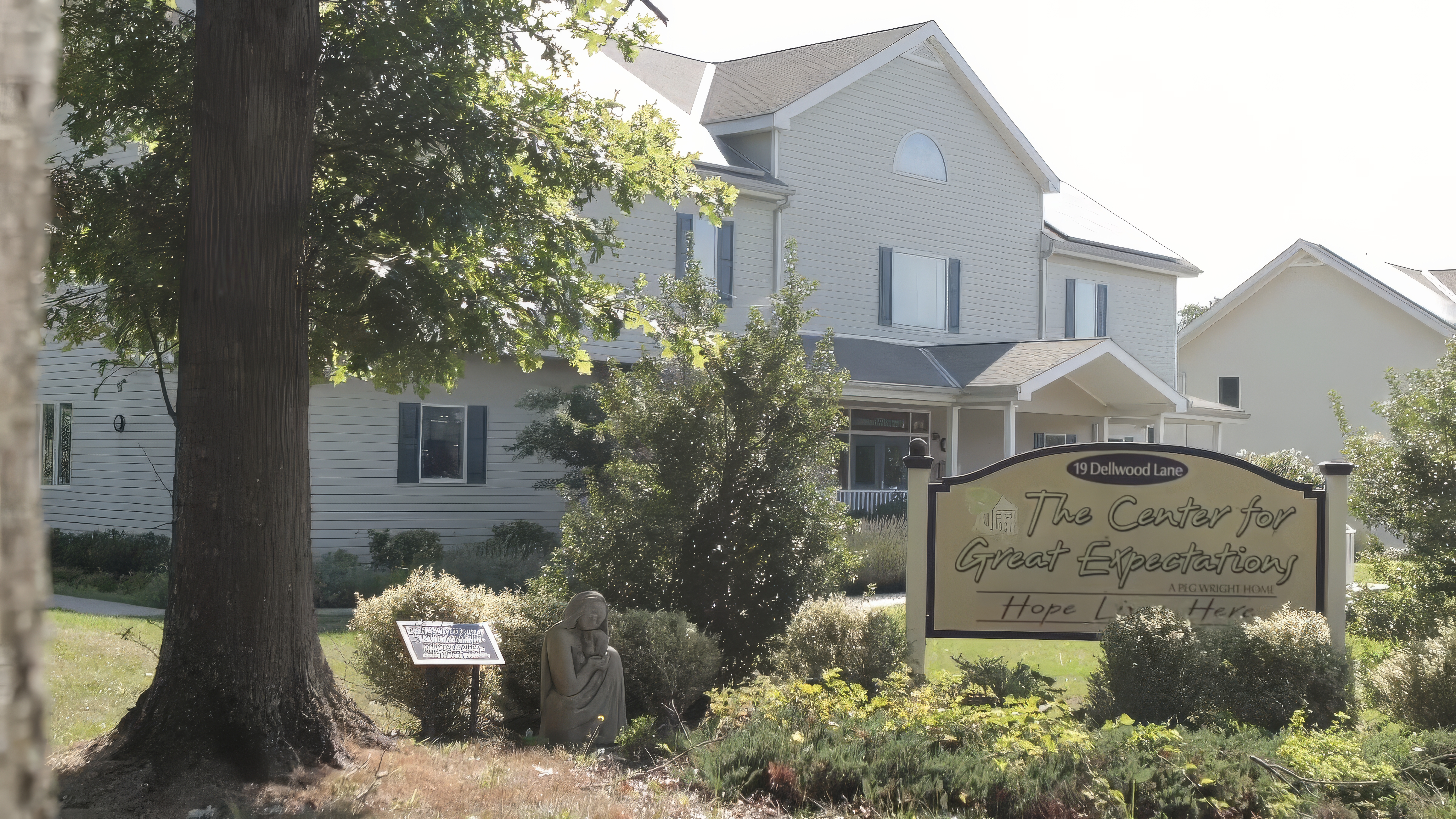


CGE History
Continuum of Care
Timeline
Who we Are
The Relational Recovery Model™
Model Design
Training and Consultation
CGE
Leadership Staff
CGE
Program Staff
A deep commitment to our community
Board of Trustees
Advisory Board
Our Network






2025 Impact Report