

By: Kayla McCellon, Predoctoral Fellow
In everything from people, to insects, to money, it is worth considering how relationships with things and people are at the center of how we all experience life.
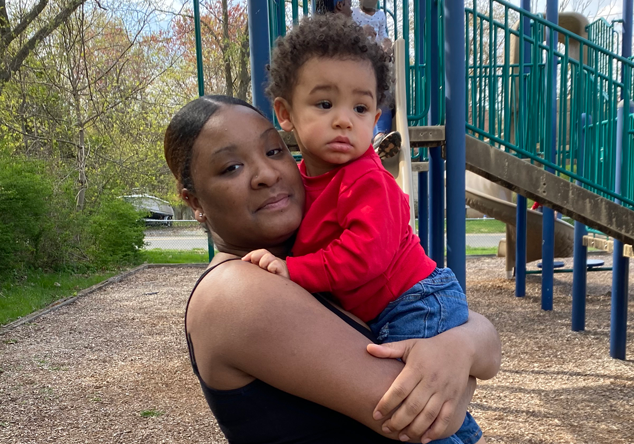
Strong, healthy relationships can look like a hydrated house plant, a baby lathered in sunscreen at the beach, or a child blowing bubbles with their caregiver. There is an image of care, protection, and consistency. We can see evidence that needs are being met in these relationships.
For people, especially children, healthy relationships can help them feel safe, supported, and understood. They can help children learn how to handle big feelings, ask for help, trust others, and move through challenging moments without feeling like they have to do it all alone.
Unfortunately, this is not always the case.
Sometimes a child grows up in an environment that may feel unsafe, unpredictable, stressful, or disconnected. They may experience trauma, either through neglect, felt as lack of consistent support, or harmful events either within the caregiving relationship and without adequate support. When that happens, it can be harder for that child to learn how to regulate themselves. They may have a difficult time calming themselves, expressing what they need, or feel safe turning to other people for help.
As children from these environments grow older, some people may look for ways to cope with those unpleasant feelings. Substance use can become one of those ways as it can numb difficult feelings or create sense of feeling good. When people are hurting, they may look for relief wherever they can find it. At the Center for Great Expectations, Early Relational Health (ERH) is our avenue to shifting these patterns from generation to generation.
ERH is a relationship-based approach built on the simple idea that people heal when they feel safe, connected, and supported by others. Healthy relationships do not get rid of the hard moments, but they help children learn to handle stress, work through big feelings, and build healthier ways to cope.
This matters across generations. Almost 70% of U.S. children with mental, emotional, or behavioral health struggles have also faced serious challenges in their relationships or social environments (Bethell et al., 2022). When children grow up without consistent safety and support, those unmet needs carry into adulthood. The trauma cycle continues when people with these unmet needs then turn to substance use to cope with pain or overwhelm.
The heart of substance use prevention is about taking the opportunity in infancy and early childhood to build the relationships, support, and care that we all need. When we invest in connection, we can help interrupt cycles of harm (or ideally prevent them) and create healthier possibilities for the next generation.